Recurrent Ear Infections in Adults: Why Do They Keep Returning?
How to Stop Recurring Ear Infections in Adults
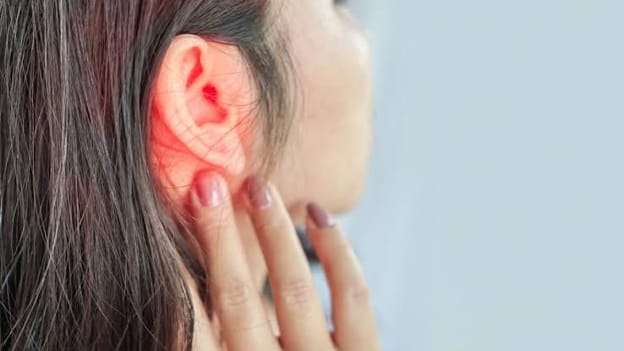
Ear infections are often associated with childhood, so repeated episodes in adulthood can be puzzling. One infection may follow a cold or a week of swimming, but when earache, pressure, discharge, itching, or muffled hearing keeps returning, there is often an underlying reason worth investigating.
Recurring symptoms do not always mean the same infection has come back. Adults can develop infections in the outer ear canal, behind the eardrum, or deeper in the ear. Fluid, skin irritation, a damaged eardrum, sinus disease, allergies, and certain health conditions can create an environment in which inflammation or infection repeatedly develops.
The right treatment depends on where the problem begins. Reusing old ear drops or taking antibiotics without an examination may temporarily mask symptoms while leaving the trigger untouched. Understanding the pattern is the first step towards breaking the cycle.
What Counts as a Recurrent Ear Infection?
There is no single definition that applies to every type of adult ear infection. In practical terms, doctors become concerned when infections occur several times within months, return soon after treatment, fail to clear completely, or produce ongoing fluid and hearing changes.
Middle ear infection, known as otitis media, affects the air-filled space behind the eardrum. Outer ear infection, or otitis externa, affects the ear canal. Chronic suppurative otitis media involves repeated or persistent drainage through a perforated eardrum. These conditions may feel similar, but their causes and treatments differ.
A clinician may ask whether each episode affects the same ear, follows a cold, starts after swimming, or appears alongside eczema, sinus pressure, allergies, or dental discomfort. Those details often reveal the infection count.
Why Do Adult Ear Infections Keep Coming Back?
Eustachian Tube Dysfunction
The Eustachian tube serves as a passageway between the middle ear and the upper part of the throat, just behind the nose. Its main responsibilities include keeping air pressure balanced and allowing excess fluid to leave the middle ear. However, nasal congestion, allergic reactions, sinus problems, tobacco smoke exposure, or naturally narrow passages can interfere with its normal function.
When this passage fails to open and close effectively, fluid may gradually accumulate in the space behind the eardrum. Although the trapped fluid does not necessarily indicate an infection, it can affect hearing and create uncomfortable sensations such as pressure, popping, or persistent ear blockage.
In some cases, the retained fluid may also increase the likelihood of infection. If the underlying ventilation problem remains unresolved, treating each infection individually may provide only temporary relief.
Repeated Colds, Allergies, or Sinus Problems

Respiratory infections can inflame the nose, throat, and Eustachian tubes. Adults who experience frequent colds, uncontrolled allergic rhinitis, nasal polyps, or chronic sinusitis may have repeated middle ear pressure and fluid.
Symptoms such as sneezing, nasal blockage, facial pressure, postnasal drip, or seasonal flare-ups may point towards an upper-airway trigger. Treating that trigger appropriately can be an important part of preventing future ear problems.
Water and Moisture in the Ear Canal
Outer ear infections commonly return when moisture remains in the canal. Frequent swimming, humid conditions, heavy sweating, and water entering during showers can soften the protective skin and encourage bacteria or fungi to grow.
Narrow ear canals, excessive wax, hearing aids, earbuds, and earplugs can make moisture harder to escape. An infection may improve with drops, then return after the same exposure happens again.
Ear Cleaning and Canal Injury
Cotton buds do not simply remove wax. They can push it deeper, scratch the canal, and strip away the thin wax layer that helps repel water and control bacterial growth. Fingernails, hairpins, and other objects can cause similar damage.
Once the skin barrier is broken, even bacteria can trigger inflammation. Persistent itching may lead to more scratching, creating a cycle of injury, infection, and further itching.
Eczema, Psoriasis, and Contact Dermatitis
Skin conditions can affect the ear opening and canal. Dryness, flaking, redness, cracking, and itching make the area more vulnerable to infection. Hair products, earphones, hearing aids, earrings, and some ear drops may cause contact dermatitis.
When infection repeatedly follows itching or scaling, treating bacteria alone may not be enough. The underlying skin inflammation needs attention.
A Perforated Eardrum
A hole in the eardrum can remain after infection, trauma, surgery, or pressure injury. Water and germs may then enter the middle ear more easily, causing recurring discharge and reduced hearing.
Chronic suppurative otitis media can flare after a cold or when water enters through the perforation. Because repeated inflammation may damage middle-ear structures, drainage requires medical assessment rather than repeated home treatment.
Cholesteatoma

A cholesteatoma is an abnormal collection of skin cells behind the eardrum. It can develop after repeated infections, Eustachian tube dysfunction, injury, or ear surgery. Although it is not cancer, it can enlarge and damage nearby bone and hearing structures.
Warning signs include persistent or foul-smelling discharge from one ear, gradual hearing loss, ear pressure, tinnitus, dizziness, or recurring infections that never seem fully resolved. Specialist assessment is important because surgery is often needed.
Incomplete or Incorrect Treatment
An ear infection that improves initially but returns shortly afterwards may indicate that the original problem was never fully resolved. This can happen when prescribed medication is discontinued prematurely, inflammation prevents ear drops from reaching the affected tissue, or accumulated debris creates a barrier within the ear canal.
Sometimes, the symptoms persist because the initial condition was mistaken for another type of ear disorder.
Different ear conditions can produce remarkably similar symptoms despite having different causes. For instance, bacterial infections, fungal overgrowth, and non-infectious skin inflammation may all cause discomfort and irritation, but their management approaches are not interchangeable.
Using ear drops that are inappropriate for the underlying condition can sometimes worsen irritation or disrupt the ear canal’s natural balance. When symptoms repeatedly return, appear unusual, or fail to respond to treatment, an ENT specialist may collect a sample of the discharge for laboratory testing to help identify the cause.
Diabetes or a Weakened Immune System
Diabetes can impair healing and increase the risk of severe ear infection. Immune-suppressing medicines, chemotherapy, HIV, and some immune disorders may make infections more frequent or difficult to clear.
Adults with diabetes or reduced immunity should seek early care for ear pain, discharge, swelling, fever, or worsening symptoms. A serious infection can spread from the ear canal into surrounding tissue and bone.
Could the Symptoms Be Something Other Than Infection?
Experiencing ear pain multiple times does not automatically mean that an infection is responsible. Several conditions affecting nearby structures can create discomfort that feels as though it originates inside the ear.
These include excessive earwax, temporomandibular joint (TMJ) disorders, habitual teeth grinding, dental problems, throat irritation, and certain nerve-related conditions. Changes in air pressure may also trigger similar symptoms.
The nature of the symptoms can offer useful clues. For example, fluid trapped in the middle ear may cause muffled hearing and pressure without an active infection. Fungal conditions affecting the ear canal often produce noticeable itching and accumulated debris.
Meanwhile, disorders involving the inner ear may lead to balance disturbances, ringing sensations, or fluctuating hearing, even when the external ear canal appears healthy.
Because these conditions require different approaches to care, repeatedly prescribing medication without examining the ear may delay an accurate diagnosis.
A direct ear examination allows the doctor to check for inflammation, assess the condition of the eardrum, identify fluid accumulation, and determine whether the discomfort may originate from another part of the head or neck.
How Are Recurrent Ear Infections Diagnosed?
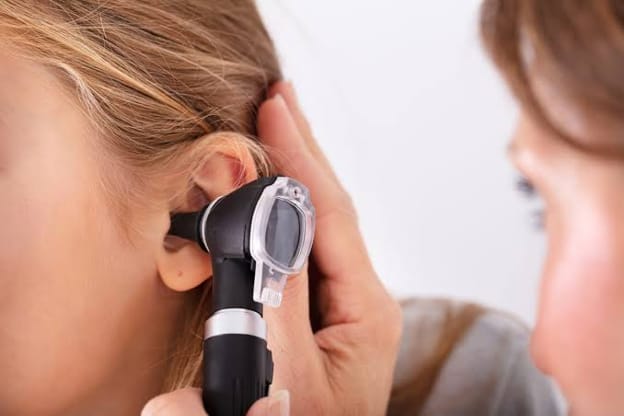
The examination often begins with a history and an otoscope inspection. The clinician will ask about swimming, respiratory infections, allergies, skin conditions, previous ear surgery, hearing devices, discharge, dizziness, and treatments already used.
Debris may need removal before the canal and the eardrum can be seen. Tympanometry can assess eardrum movement and middle-ear pressure, while a hearing test can identify conductive or inner-ear hearing loss.
A sample of discharge may be tested when symptoms keep returning. Adults with persistent one-sided middle-ear fluid, suspected cholesteatoma, chronic perforation, hearing loss, or complications may need an ear, nose, and throat referral and imaging.
How Are Recurrent Ear Infections Treated?
Treatment is based on location and cause. Outer ear infection may require antibacterial, antifungal, anti-inflammatory, or combined drops. A swollen canal sometimes needs a wick so medicine can reach the affected skin.
Middle ear treatment may involve pain relief, observation, antibiotics in some cases, and management of nasal or allergy-related inflammation. A perforation may need water precautions and follow-up to confirm healing. Chronic disease can require specialist cleaning, targeted drops, hearing support, or surgery.
The goal is not to stop the current pain. Effective care identifies the factor allowing infections to recur.
How Can Adults Reduce Their Risk?
Keep the ear canal dry when advised, and avoid swimming until an active infection has cleared. After water exposure, allow the ears to drain and dry only the outer ear. Do not insert cotton buds or tools.
Clean hearing aids and earbuds properly, and avoid sharing them. Manage eczema, allergies, sinus problems, and diabetes appropriately. Stop smoking and reduce exposure to second-hand smoke, which can irritate the upper airway.
Do not use homemade drops if you may have a perforated eardrum, previous ear surgery, tubes, discharge, or severe pain. Products that are safe in an intact ear may not be safe when the eardrum is open.
When Should You Seek Urgent Medical Care?
Get urgent help for severe or worsening pain, sudden hearing loss, facial weakness, intense dizziness, swelling or redness behind the ear, high fever, confusion, or heavy bleeding. Clear drainage after a head injury is an emergency warning sign.
Prompt assessment is especially important for people with diabetes or weakened immunity. Persistent foul-smelling discharge, recurring symptoms in one ear, or hearing loss should be evaluated even when pain is mild.
Final Thoughts
Recurrent ear infections in adults often continue because something repeatedly traps fluid, damages the ear canal, interferes with ventilation, or prevents complete healing. Moisture, allergies, sinus disease, skin conditions, ear cleaning, perforation, and chronic middle-ear disorders are common contributors.
Rather than treating each episode as an isolated problem, look for the pattern. A proper ear examination, hearing assessment, and investigation of underlying triggers can turn repeated short-term treatment into a lasting solution while safely protecting hearing and preventing complications.